


It’s one of the first questions that comes up when planning an interview shoot. How many people can we realistically film in one day?
With one consistent setup and 30-minute interviews, you could potentially capture 12 interviews in a day, allowing enough time around them for setup, handovers, breaks and pack-down. If you’re moving between locations and filming supporting footage, two to four might be more realistic.
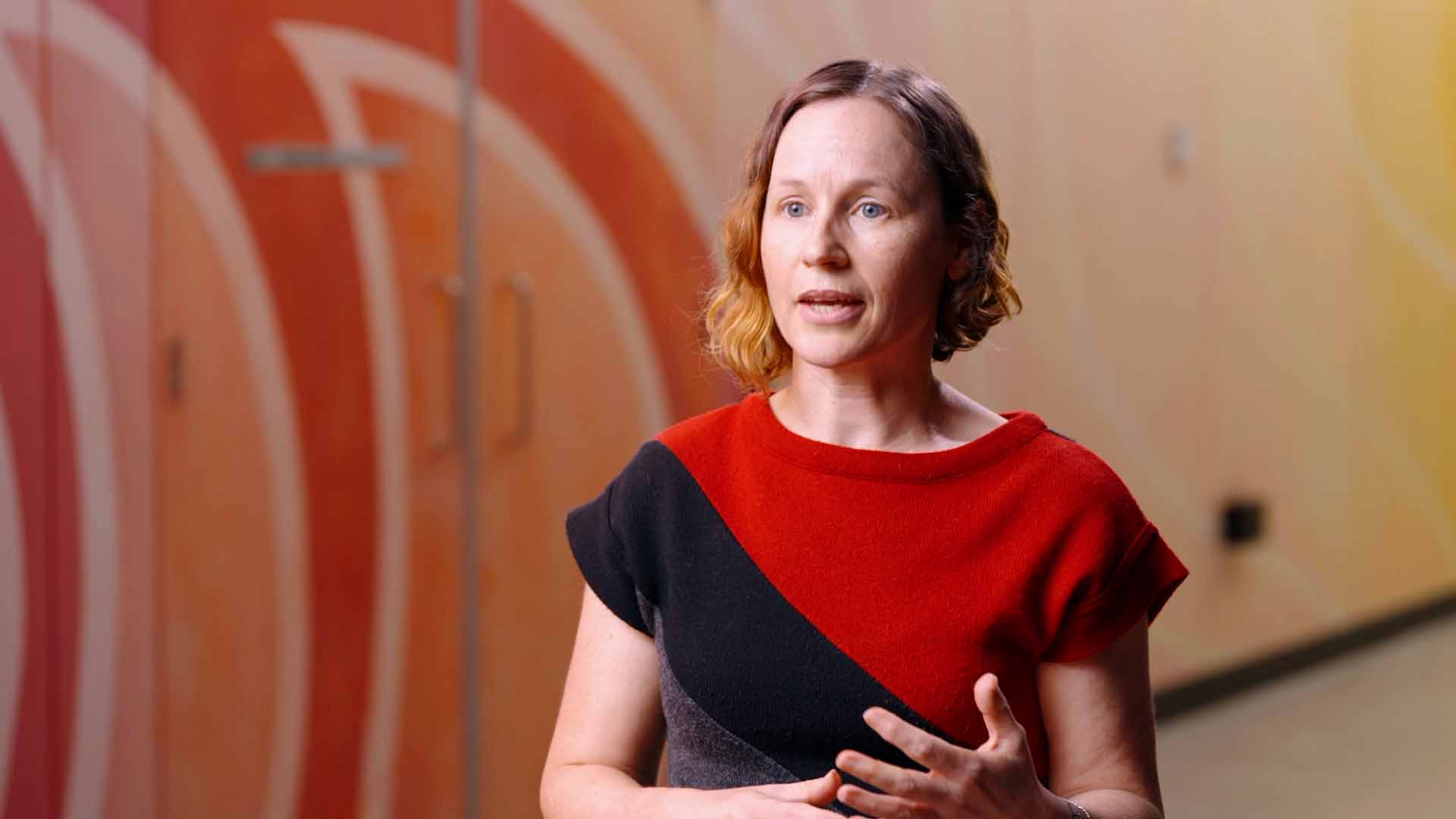
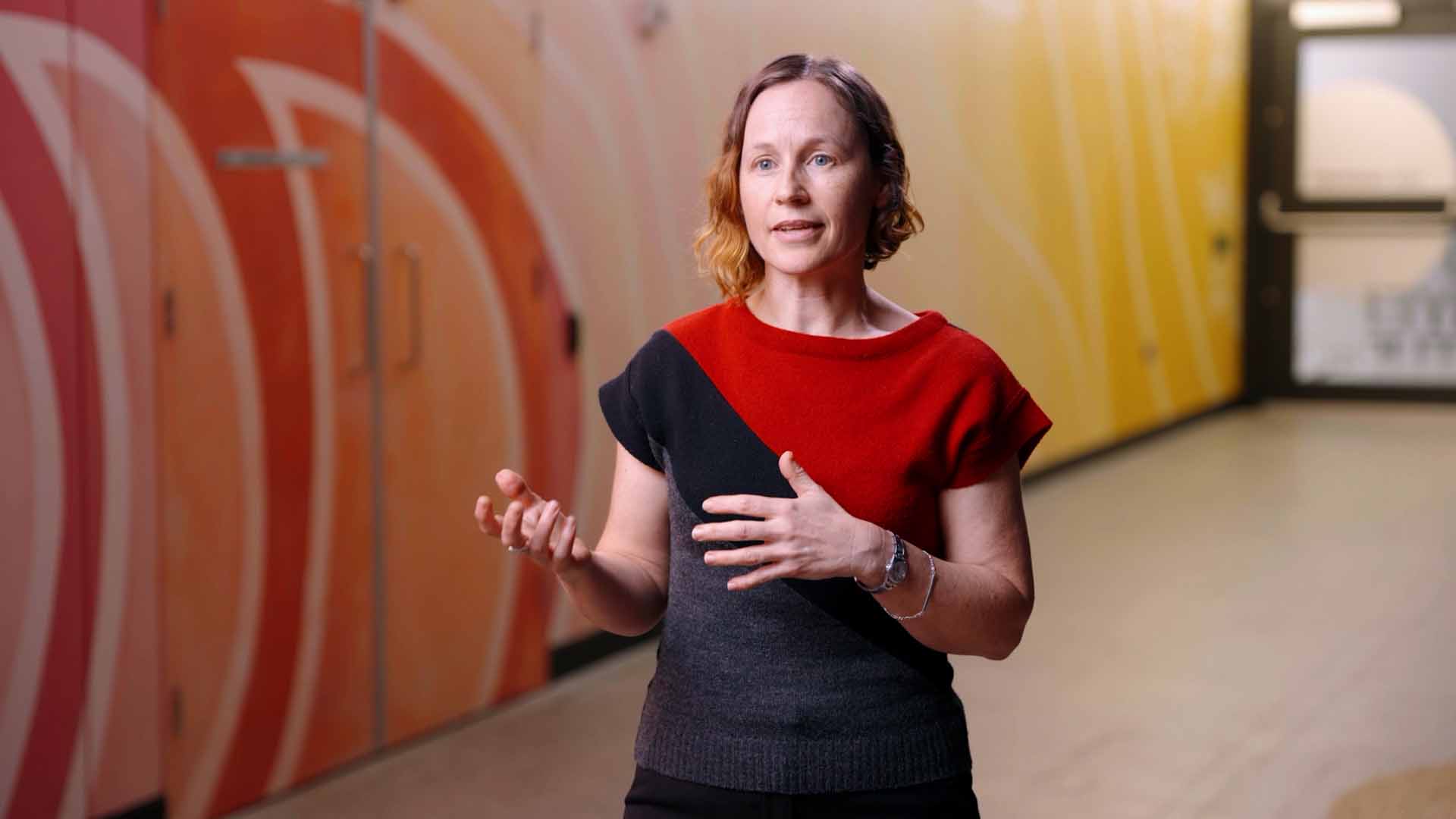
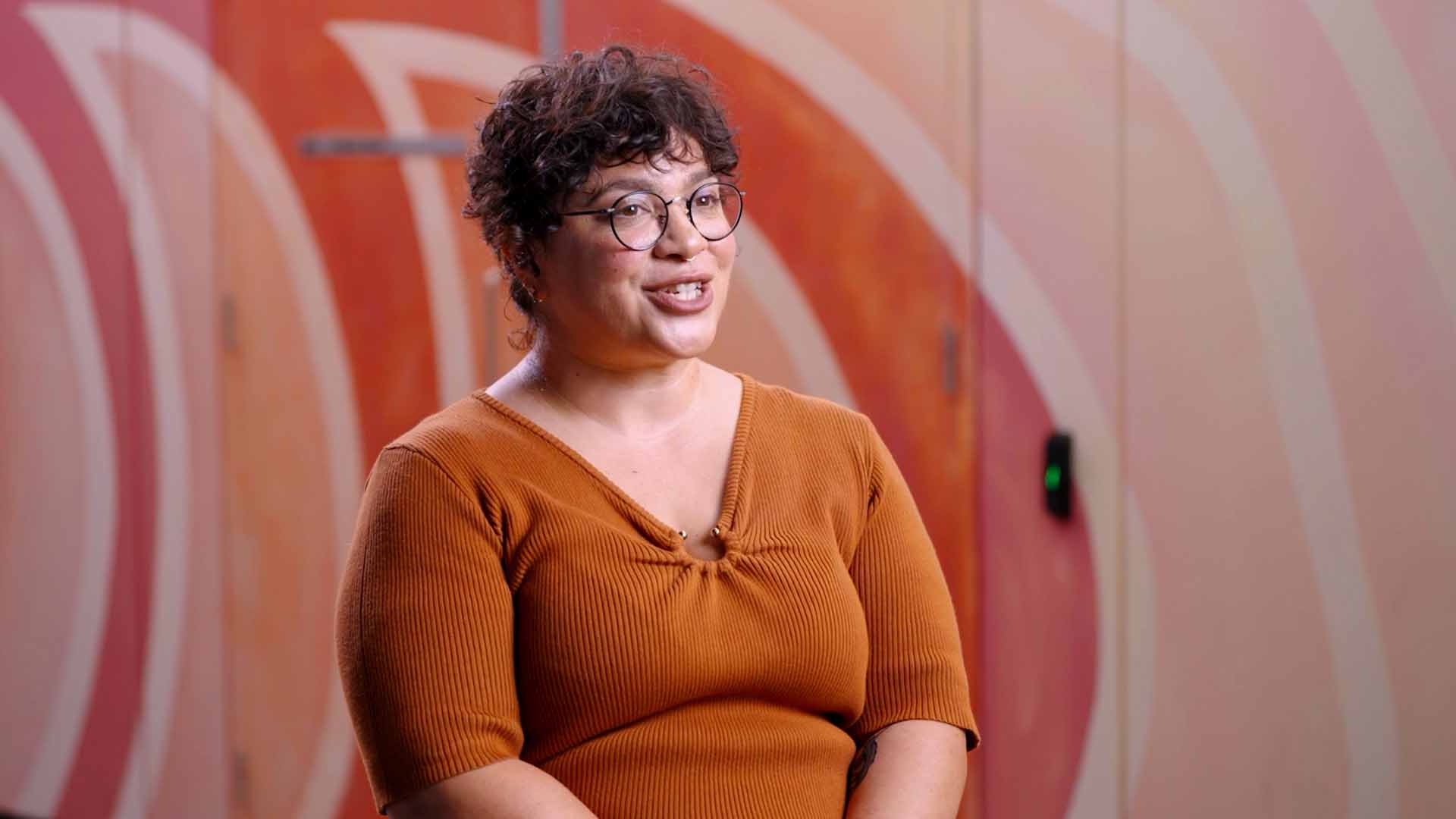
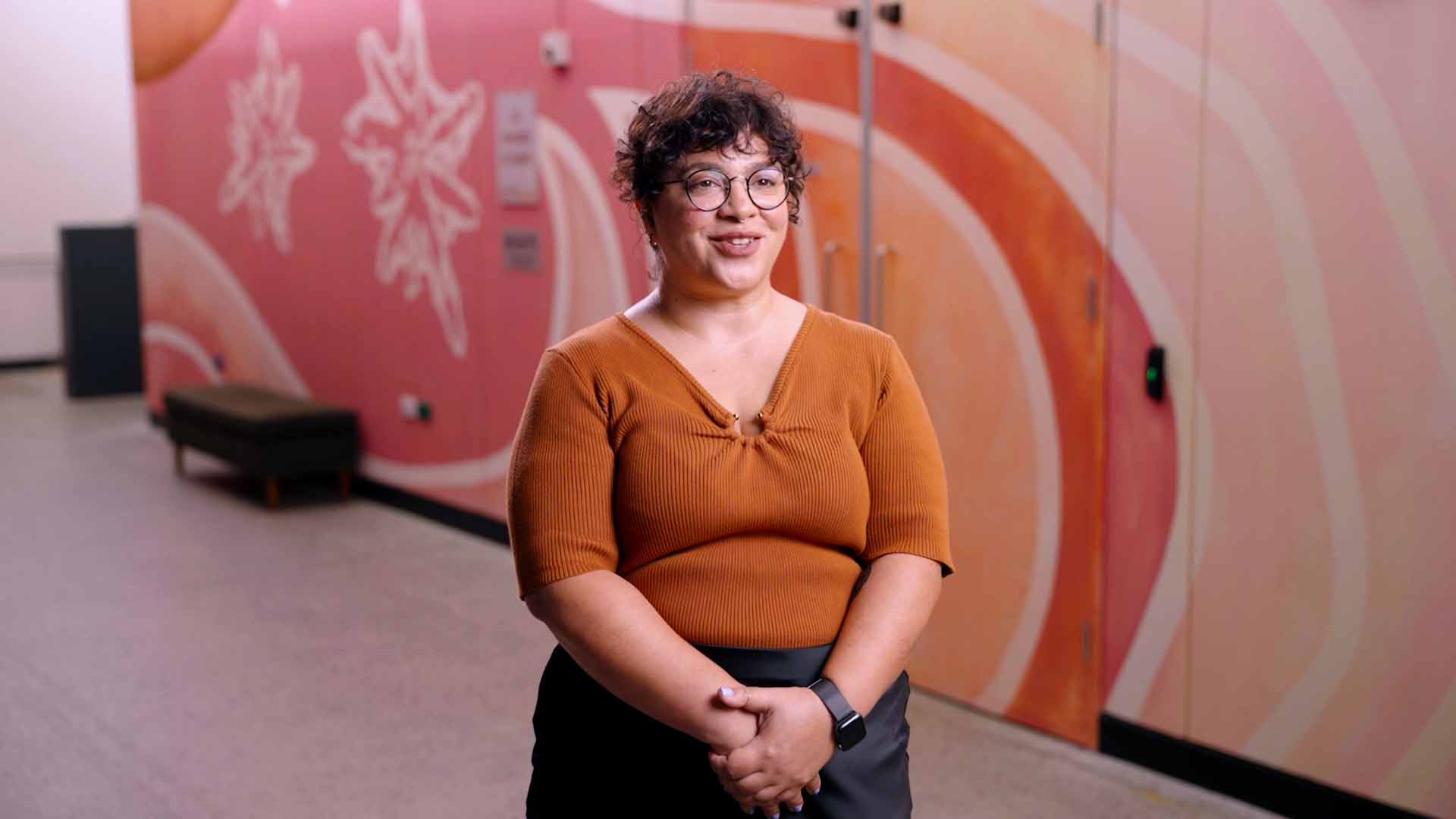
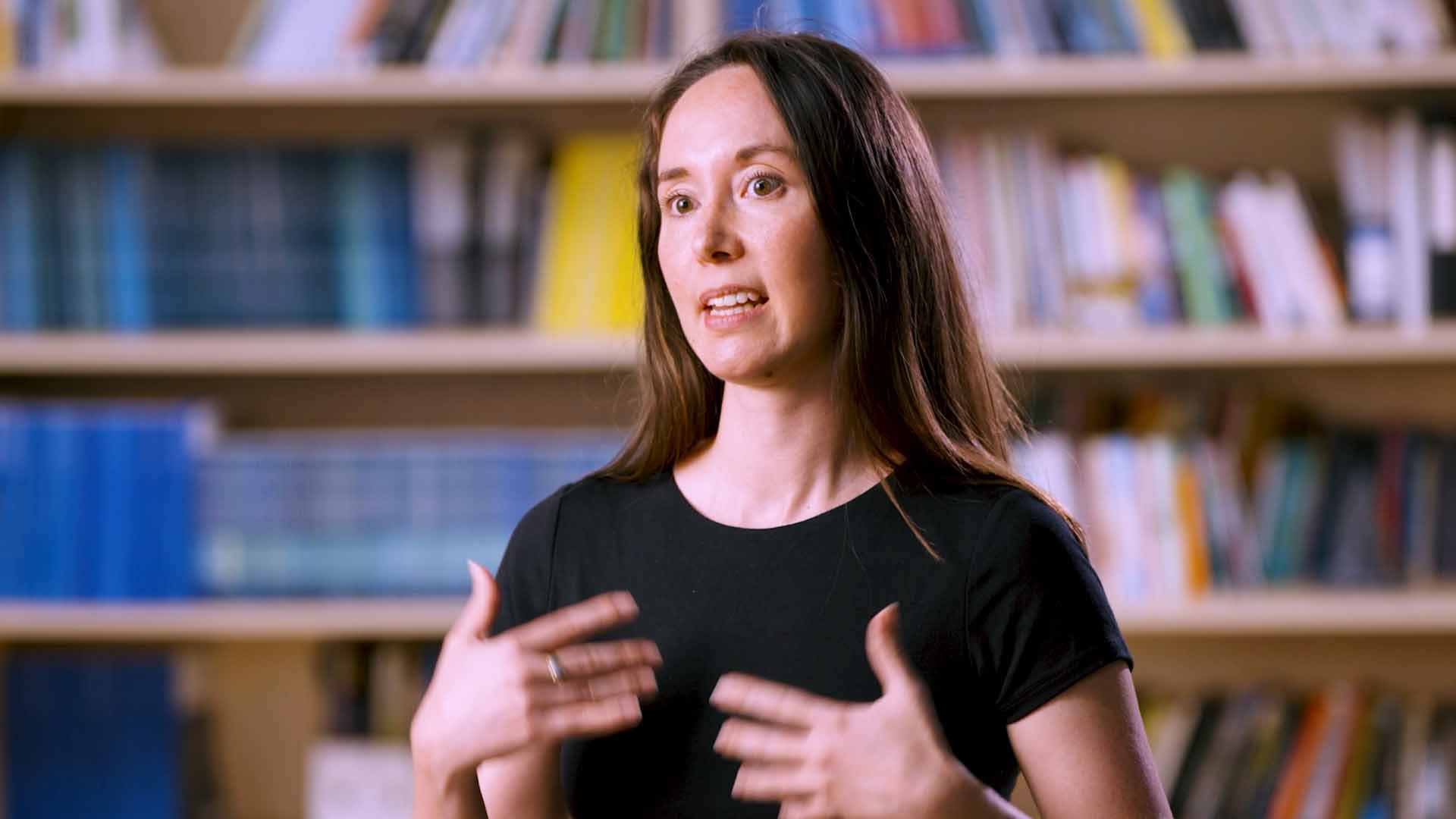
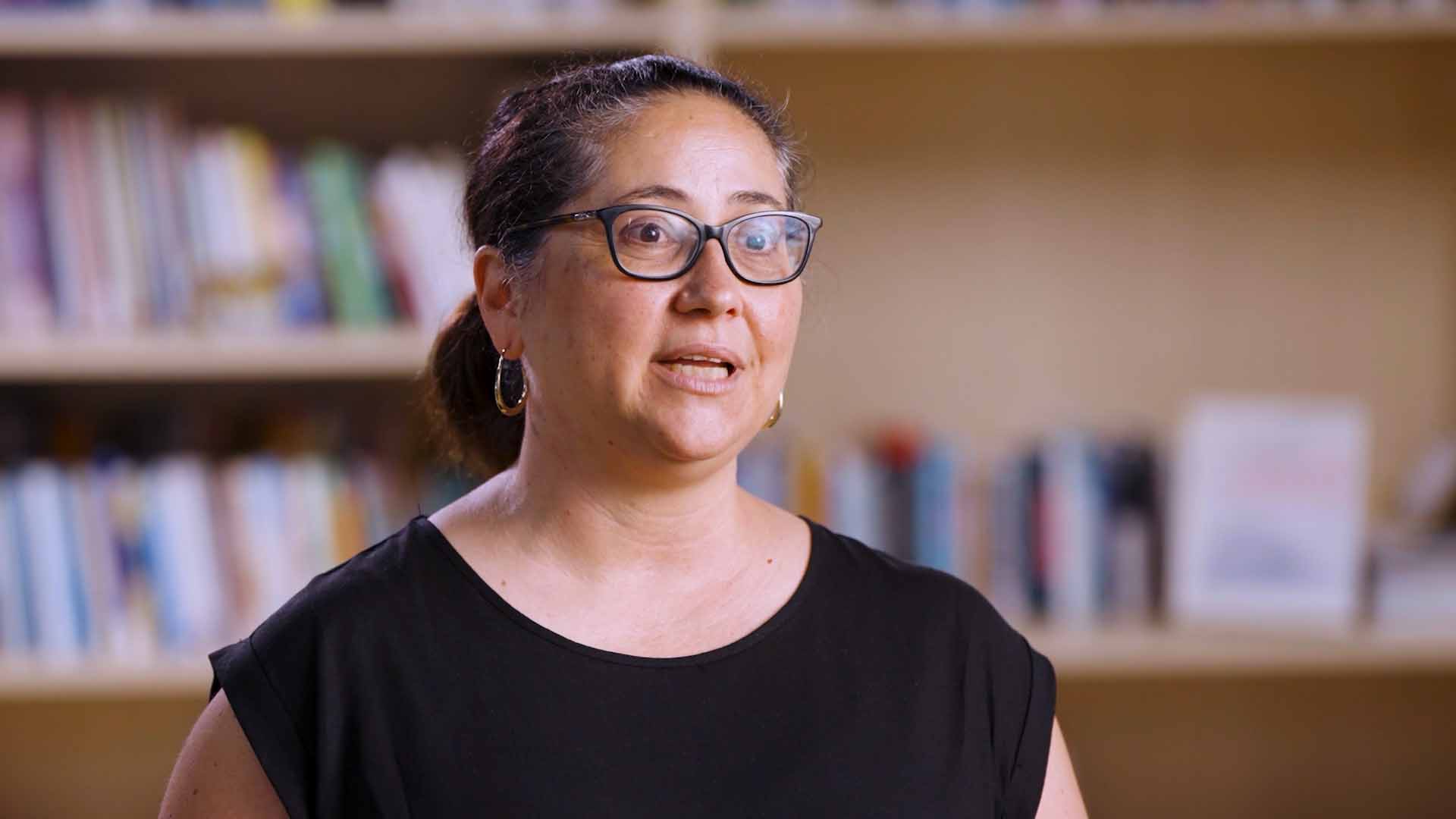
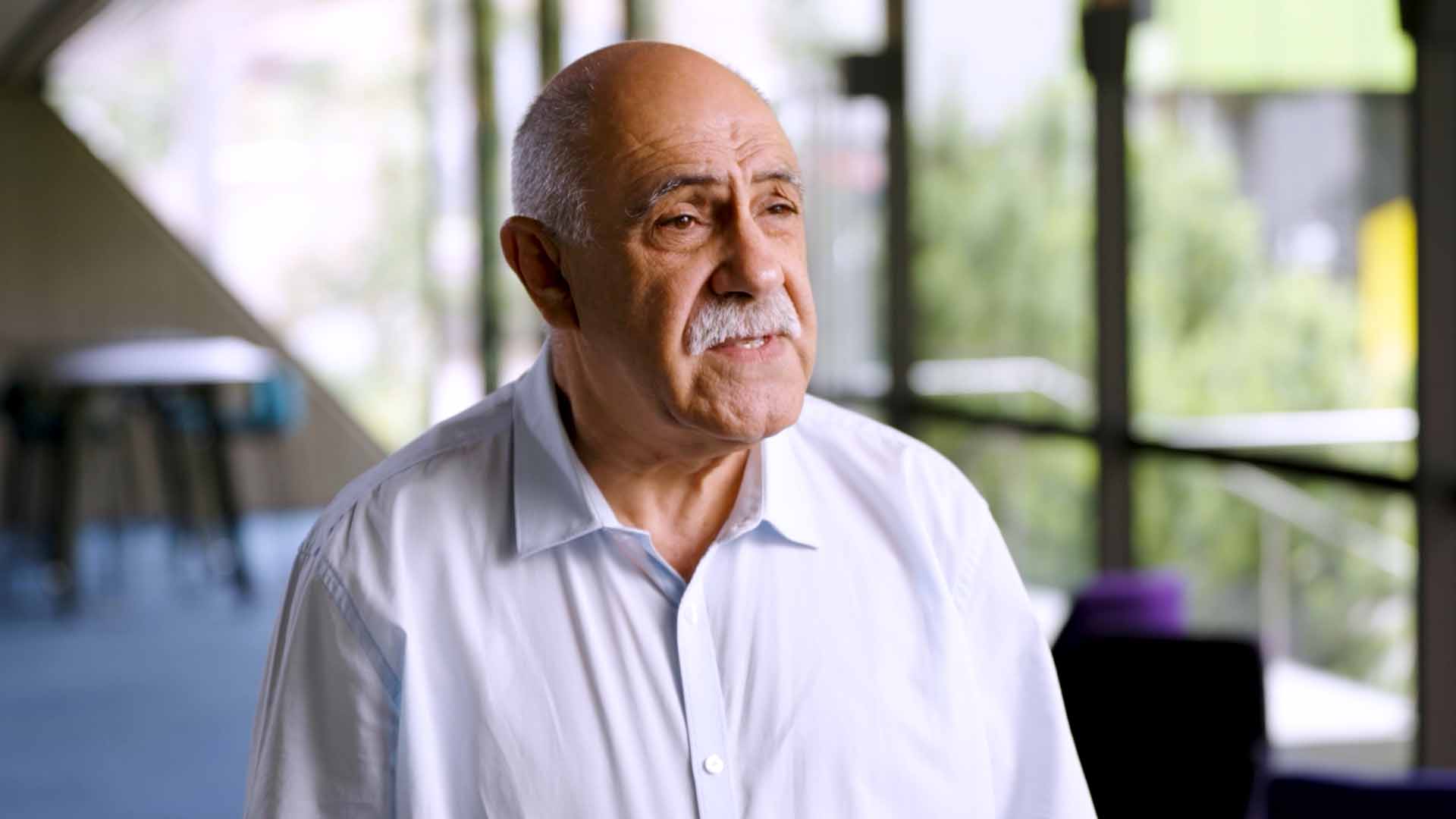
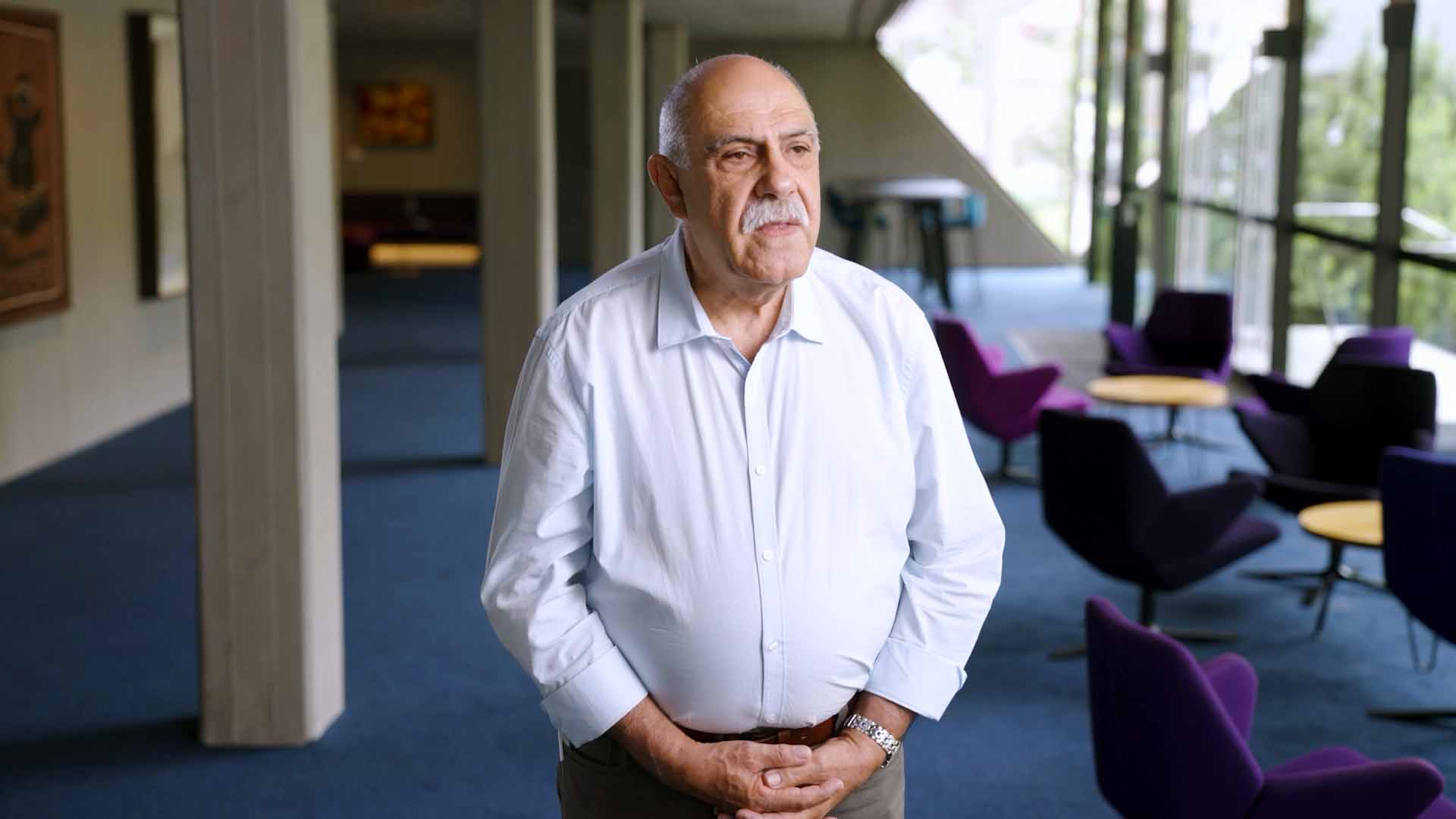
On a recent shoot, we captured six interviews across three locations. Every project is different, so here are the main things to consider when building your schedule.



1. How long does each interview need to be?
A brief introduction needs a different amount of time from a detailed client case study. Think about how many questions you need to cover and how much depth you want from each answer.
The length of the finished video won’t tell you exactly how long to allow. A one-minute edit might still need a 30-minute conversation to uncover the strongest points and capture them clearly.
Agree on the essential questions beforehand, while leaving some room for follow-ups. An unexpected answer can be where the most interesting part of the story comes from.
2. What level of production are you aiming for?
A simple camera and lighting setup can be quicker to prepare than a three-camera interview with carefully controlled lighting.
Additional cameras need positioning and matching, and the lighting needs to work across every angle. These choices give you more options in the edit, but they also take time on the day.
If the setup stays consistent, much of that work happens before the first interview. Creating a different look for each person means allowing more time between speakers.
3. How many backdrops and locations do you need?
Filming everyone against the same background is usually the most efficient approach. The crew can make small adjustments for each person without rebuilding the whole setup.
Different backdrops add visual variety, but each change may require new camera positions, lighting adjustments and sound checks.
Sometimes you can find several useful angles within one room. Other projects benefit from showing people in their own working environments. Decide where that variety adds value before committing to extra location changes.
4. How long will it take the crew to move?
A location move involves more than the journey itself. Equipment needs to be packed down, carried out, transported and set up again.
Even moving to another floor can take time if there are lifts, access arrangements or busy corridors to work around. Travelling between buildings adds parking, loading and traffic to the schedule.
Group interviews by location where possible, and ask the crew to estimate the full time needed for each move.
5. How comfortable are your speakers on camera?
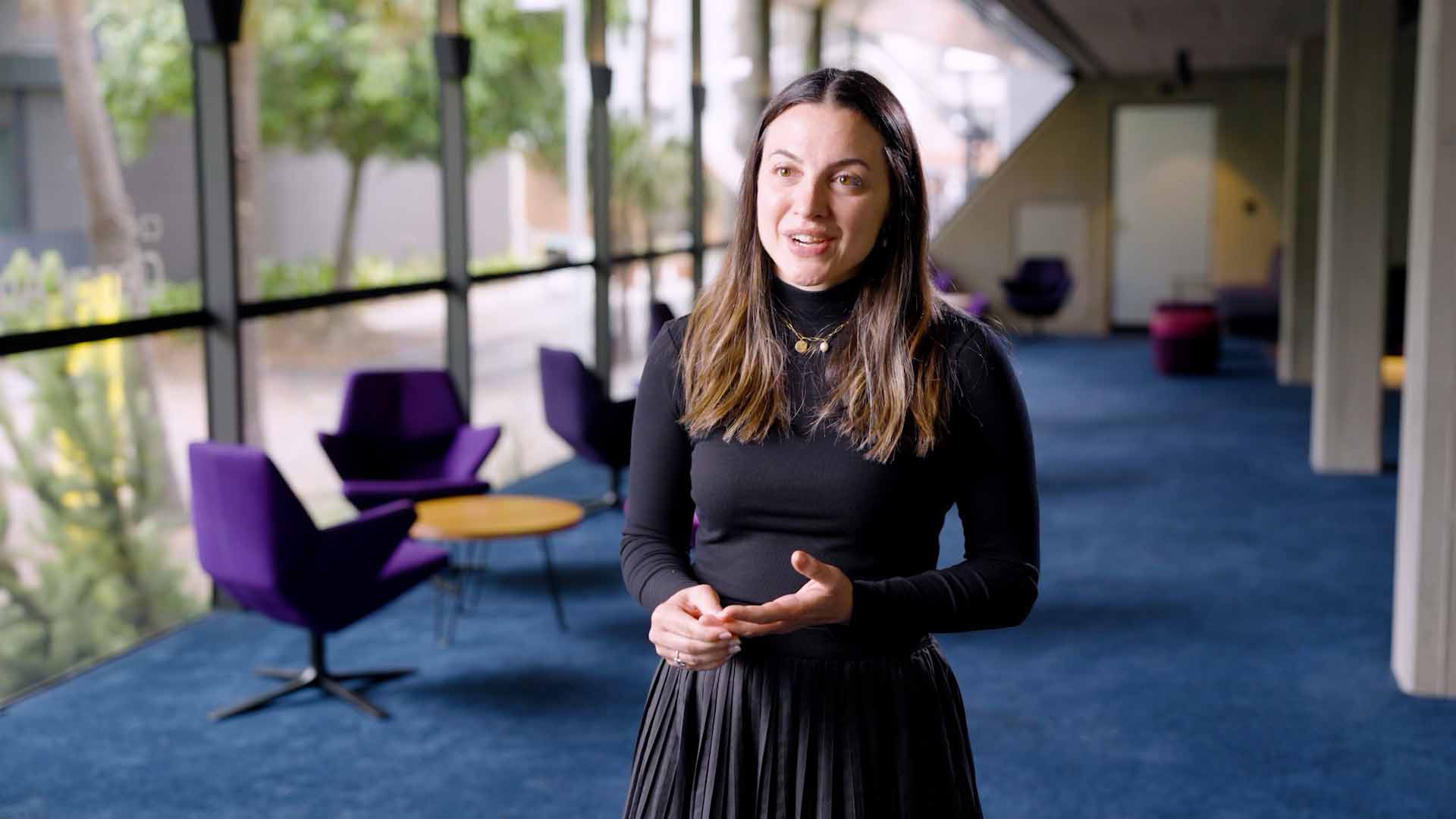
Some people settle in immediately and deliver clear, concise answers. Others need time to warm up, work through their thoughts or try an answer again.
Share the topics beforehand so people know what to expect. Give them enough time on arrival to understand the setup, have their microphone fitted and get comfortable.
Avoid building a schedule that relies on everyone getting every answer right first time. A little breathing room helps people relax and gives you a better chance of capturing a natural delivery.
6. Do you need supporting footage too?
B-roll is the supporting footage shown alongside an interview, such as someone working, interacting with their team or demonstrating a process.
Capturing it needs its own time allocation. You may need to move equipment, organise other people or wait for an activity to happen.
Put that footage into the schedule from the outset so it gets the attention it needs. It’s easy to fill the day with interviews and leave yourself without the shots that help tell the story.

Related Posts
5 tips for making thought leadership content more engaging
When planning thought leadership content, the topic, guests, conversation and…

How many cameras do you need for a video interview?
Extra cameras can help hide edits, add visual variety and capture natural…
When should you use a paper backdrop for video?
A paper backdrop is a simple way to add colour and create a clean, consistent…